 (Image via
When you hear the term "artificial intelligence" in a business context, your mind might jump to futuristic images of robots running factories. While that’s part of the picture, the true impact of AI on the business world is often more subtle and far more widespread. Businesses, big and small, are constantly facing complex problems: How can we make our customers happier? How can we operate more efficiently? Where should we invest our resources for future growth? For years, these questions were answered through human experience, intuition, and manual data analysis. Now, AI is offering a powerful new toolkit to solve these challenges. It’s like giving every company a team of super-smart analysts who can see patterns and find solutions that humans might miss, transforming how they make decisions and innovate.
Seeing the Future with Predictive Analytics
One of the most powerful ways AI is solving business problems is through predictive analytics. This sounds complicated, but the concept is simple: using past data to make educated guesses about the future. Businesses have always collected data—on sales, customer behavior, and operational costs. But AI can analyze massive amounts of this data in a way that no human ever could, identifying subtle patterns and correlations.
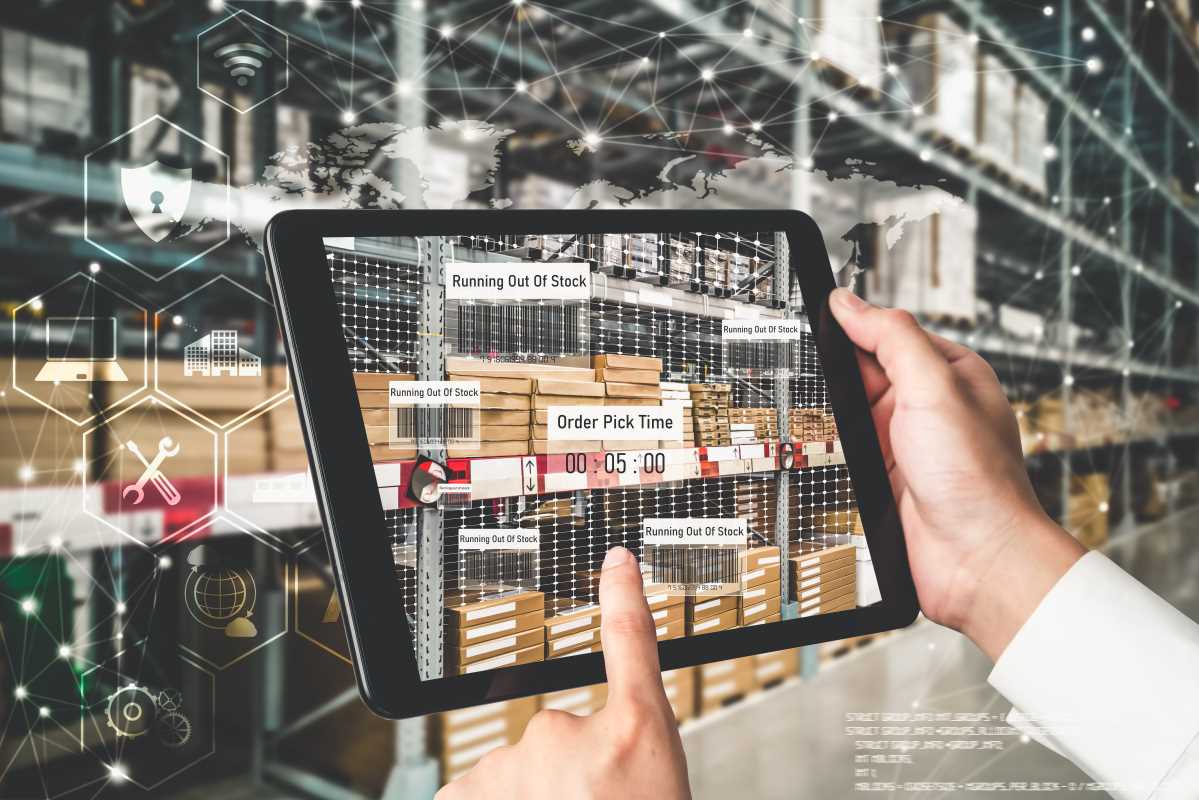
Imagine a retail company trying to figure out how much of a particular product to stock in its stores. In the past, they might have looked at last year's sales and made a rough estimate. This could lead to either running out of a popular item or being stuck with too much unsold inventory. An AI system, however, can analyze years of sales data, along with other factors like weather forecasts, local events, social media trends, and economic indicators. It might predict that a heatwave next week will cause a surge in demand for air conditioners in a specific city, allowing the company to stock up just in time. This ability to anticipate future needs helps businesses reduce waste, improve customer satisfaction, and manage their resources far more effectively.
Creating Smarter, More Efficient Operations
Every business has a series of processes that keep it running, known as its operations. This could be anything from managing a supply chain that gets products from a factory to a store, to scheduling employees in a restaurant. AI is being used to optimize these operations, making them faster, cheaper, and more reliable.
Consider a large shipping company that needs to deliver thousands of packages every day. The problem of finding the most efficient route for each truck is incredibly complex, with millions of possible combinations. AI algorithms can solve this "traveling salesman problem" in seconds. They can calculate the best routes based on traffic conditions, delivery windows, and fuel costs, saving the company time and money while reducing its carbon footprint. In a factory setting, AI-powered sensors can monitor machinery and predict when a part is likely to fail. This allows the company to perform maintenance before a breakdown occurs, preventing costly downtime and production delays.
Personalizing the Customer Experience
In today's crowded marketplace, one of the biggest challenges for a business is standing out from the competition. AI is helping companies solve this problem by enabling a level of personalization that was previously unimaginable. By analyzing a customer's browsing history, past purchases, and even their interactions with customer service, AI can build a detailed profile of their preferences.
This allows businesses to solve the problem of "what does this customer actually want?" The result is an experience that feels uniquely tailored to each individual.
- An e-commerce website can show you product recommendations that perfectly match your style.
- A streaming service can curate a homepage of movies and shows it knows you'll love.
- An airline can send you a personalized offer for a flight to a destination you've been researching.
This deep personalization not only makes the customer feel understood and valued but also drives sales by showing people the right product at the right time. AI-powered chatbots are also a key part of this, providing instant, 24/7 customer support and answering questions in a helpful, conversational way.
Driving Innovation and New Ideas
Perhaps the most exciting application of AI in business is its ability to fuel innovation. AI can help businesses solve the challenge of "what should we create next?" by analyzing market trends, customer feedback, and scientific research to identify unmet needs and new opportunities.
For example, a pharmaceutical company could use AI to analyze vast databases of molecular compounds to identify potential new drugs, dramatically speeding up the research and development process. A car manufacturer could use AI to analyze data from its vehicles to understand how people actually drive, leading to better and safer designs for future models. Generative AI tools can even help designers and marketers brainstorm new product ideas, ad campaigns, and brand names. By processing information at a scale and speed that is beyond human capability, AI can act as a catalyst for creativity, pointing businesses toward groundbreaking ideas that could become the next big thing.
A Partner in Problem-Solving
It's important to remember that AI is not here to replace human decision-makers. Instead, it’s becoming an indispensable partner. AI is exceptionally good at processing data, finding patterns, and running simulations, but it lacks the common sense, creativity, and ethical judgment of a human. The most successful businesses are those that are learning how to combine the analytical power of AI with the wisdom and experience of their people. By taking over the repetitive, data-heavy tasks, AI frees up human employees to focus on more strategic and creative work.